
 (931) 542-9420
  riversidespinephysmed@gmail.com
  121 W Dunbar Cave Rd, Clarksville, TN 37040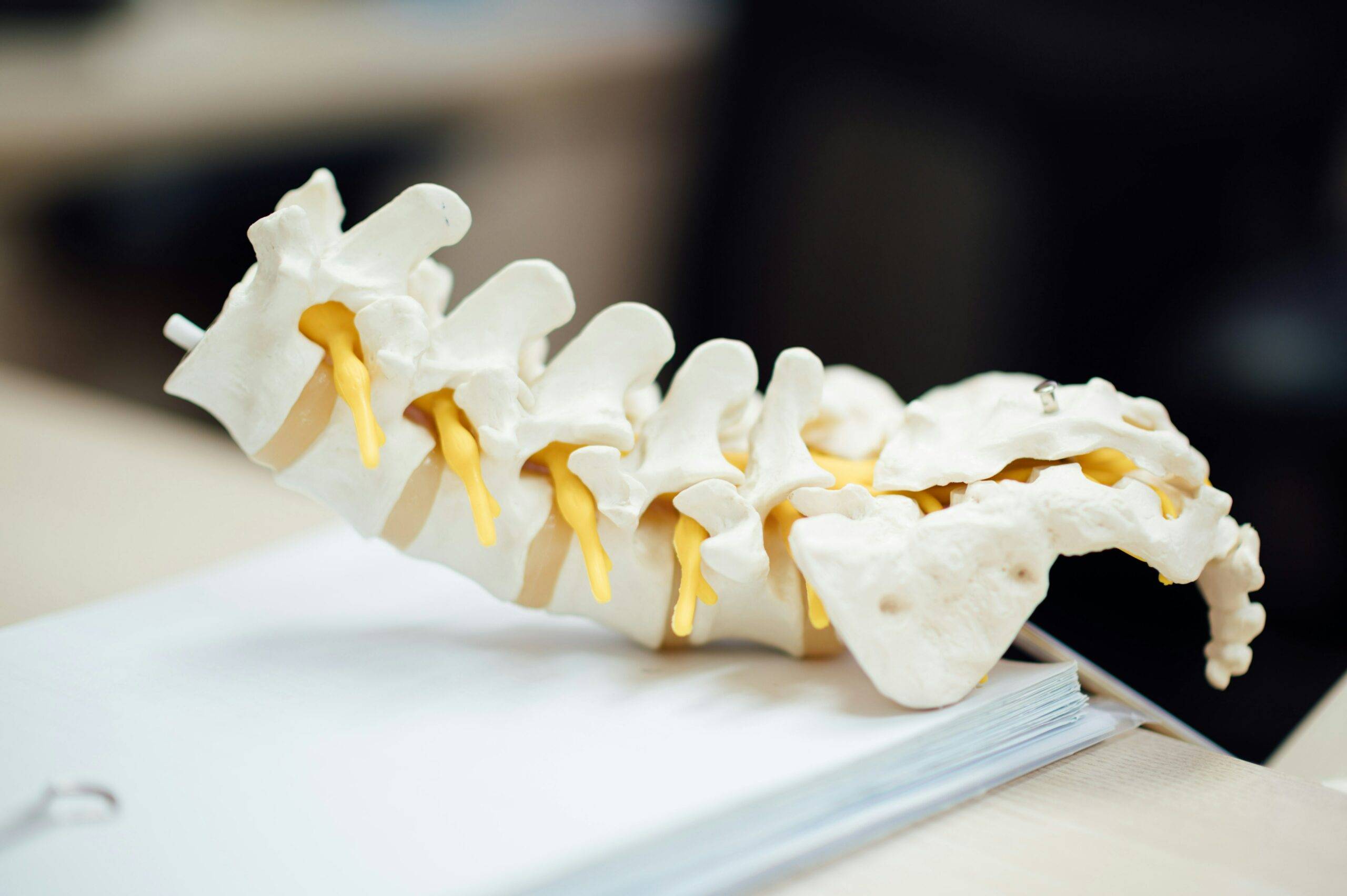
Are you tired of living with chronic pain and frustrated with temporary relief from medication? Chiropractic care offers a science-backed approach to alleviate discomfort by focusing on spinal adjustments. This article will examine the mechanisms of pain relief, explore the evidence supporting effectiveness, and outline common conditions treated through these methods. By understanding how spinal adjustments can influence pain management, especially in areas like the pelvis and stress-related issues, you’ll gain insights into lasting solutions that empower your health.
Understanding Chiropractic Care and Its Importance
Spinal adjustments are a key aspect of chiropractic care, aimed at improving motion and reducing pain in the body. These adjustments can produce a noise that often signals the release of tension in soft tissue and joints. Understanding the scientific principles behind spinal adjustments and the chiropractor’s role in effective pain management can significantly enhance overall health and well-being.
Defining Spinal Adjustments and Their Purpose
Spinal adjustments focus on realigning the bones in the spine to enhance mobility and alleviate discomfort. This technique is a fundamental part of chiropractic care and can lead to significant pain relief, particularly for conditions like headaches and back pain. Chiropractors utilize these adjustments to restore proper function in the nervous system, which can have a profound effect on overall health and wellness.
Through precise manipulation, chiropractic practitioners can address misalignments in the spine, contributing to improved circulation, muscle relaxation, and reduced tension. This approach complements other primary care practices, such as acupuncture, providing a holistic method for managing discomfort. By integrating spinal adjustments into a treatment plan, individuals may experience a notable decrease in pain and an increase in their quality of life.
Exploring the Science Behind Spinal Adjustments
The science behind spinal adjustments incorporates elements of myofascial release therapy, which targets the fascia surrounding muscles. By effectively manipulating the spine and surrounding tissues, practitioners can enhance the body‘s natural ability to heal. This approach not only reduces tension in the neck and back but also facilitates better blood flow, promoting quicker recovery and improved mobility in patients.
Education plays a critical role in chiropractic care, as practitioners inform patients about how spinal health affects overall well-being. Understanding the connection between spinal alignment and muscle function helps patients appreciate the benefits of therapy. This knowledge empowers individuals to make informed decisions regarding their health, ultimately leading to enhanced comfort and flexibility in their daily lives.
The Role of the Spinal Adjustment Chiropractor in Pain Management
The spinal adjustment chiropractor plays a vital role in pain management by utilizing targeted techniques to restore mobility and alleviate discomfort related to injuries. Research shows that these practitioners assess the spine’s alignment and implement adjustments that can improve the body‘s fluid dynamics, leading to reduced tension and better overall function. Through careful manipulation, they address misalignments that may contribute to pain, allowing patients to regain their normal range of motion more quickly.
Mechanisms of Pain Relief Through Spinal Adjustments
Spinal adjustments significantly impact nervous system function by enhancing reflex pathways and reducing nerve interference. The biomechanics of spinal alignment contribute to effective pain relief, helping to regulate heat and circulation in the body. Understanding the intricate connection between spinal health and pain perception highlights the value of chiropractic care as an effective alternative medicine approach for managing discomfort.
How Spinal Adjustments Influence Nervous System Function
Spinal adjustments play a crucial role in influencing nervous system function by promoting a balanced communication network throughout the body. When the spine is misaligned, it can lead to nerve interference, potentially contributing to various diseases. By utilizing manual therapy techniques, chiropractors can effectively release built-up tension and restore alignment, thereby enhancing neurological efficiency and reducing discomfort without the need for invasive surgery.
The benefits of these adjustments extend beyond immediate pain relief. Improved spinal alignment can lead to better blood flow and reflex responses, facilitating recovery from injuries and promoting overall wellness. Many patients find that with regular chiropractic care, their insurance often covers treatments, making it a practical and cost-effective solution for managing chronic pain and preventing future issues.
The Biomechanics of Spinal Alignment
The biomechanics of spinal alignment is essential for maintaining a healthy musculoskeletal system. When the intervertebral discs are properly aligned, they help distribute weight evenly and reduce stress on surrounding muscles. This alignment enhances the range of motion in the spine, allowing individuals to perform daily activities with greater ease and less discomfort.
Chiropractic care emphasizes the importance of spinal alignment in preventing pain and injury. Misalignment can lead to strain on muscles and nerves, resulting in discomfort and limited mobility. By addressing these misalignments through specific techniques, practitioners help to restore balance and improve overall function within the profession, enabling patients to achieve a better quality of life.
Understanding the Connection Between Spinal Health and Pain Perception
Spinal health plays a fundamental role in how individuals perceive pain, as the spine is intricately linked to the body’s central nervous system. When the spine is misaligned, it can create a disruption in the physiological functionalities, leading to altered signals that affect how pain is experienced, including in the legs and other limbs. Understanding this connection not only highlights the impact of proper spinal alignment on pain perception but also emphasizes the significance of chiropractic care in restoring balance within the body.
Electrical muscle stimulation, combined with spinal adjustments, can enhance the effectiveness of pain relief strategies. This technique helps to increase the amplitude of muscle contractions, promoting better circulation and muscle relaxation. By addressing both spinal alignment and muscular function, chiropractic care provides a comprehensive approach to managing pain that supports overall physical health and recovery.
Evidence Supporting the Effectiveness of Spinal Adjustments
A review of clinical studies highlights the effectiveness of spinal adjustments in pain management, demonstrating their positive impact on the central nervous system. Moreover, patient testimonials and success stories provide valuable information on the benefits of chiropractic care. These insights illustrate how adjustments can enhance exercise routines and overall well-being, affirming the role of chiropractic practitioners in promoting health.
Review of Clinical Studies on Chiropractic Care
Clinical studies provide strong evidence supporting the effectiveness of chiropractic care in addressing pain and spasm. Research indicates that spinal adjustments can significantly reduce inflammation, allowing for improved function of the nervous system. For instance, a study involving patients with chronic back pain found that participants receiving chiropractic adjustments experienced a notable decrease in pain levels, which contributed to a reduction in overall discomfort and improvement in daily activities.
Furthermore, integrating nutrition with chiropractic care can enhance recovery and overall well-being. Evidence shows that a balanced diet can support the body’s healing processes, complementing the benefits gained from spinal adjustments. By focusing on both spinal health and nutritional support, individuals may find a comprehensive approach to pain management that addresses not only symptoms but also underlying factors contributing to discomfort.
Patient Testimonials and Success Stories
Many individuals have shared positive experiences regarding chiropractic care, particularly the significant relief from shoulder pain. For example, a patient reporting chronic discomfort stated that after a series of spinal adjustments, they experienced a marked reduction in pain and improved mobility, allowing them to return to activities they once avoided. The benefits of these sessions extended beyond just pain relief; they also noticed improvements in overall blood circulation, contributing to a more active lifestyle.
Patient testimonials often reflect the practical impact of scheduling regular chiropractic exams. One individual recounted how incorporating consistent visits to their chiropractor led to sustained relief from tension headaches and a newfound sense of well-being. By prioritizing these appointments, patients not only alleviate immediate discomfort but also gain insights into maintaining spinal health, which supports their ongoing recovery and enhances overall physical health.
Common Conditions Treated by Spinal Adjustments
Chiropractic care offers effective solutions for various ailments, including alleviating chronic back pain through spinal manipulation techniques. The role of these adjustments in headache relief is significant, while managing neuro-musculoskeletal disorders is essential for enhancing patient mobility. Understanding these approaches aids individuals in recognizing the benefits of techniques such as traction and thrust, contributing to overall well-being in a clinical setting.
Alleviating Chronic Back Pain With Chiropractic Care
Chiropractic care plays a significant role in alleviating chronic back pain through targeted treatment strategies that focus on spinal alignment. Utilizing techniques such as palpation, practitioners assess the joints and surrounding tissues to identify misalignments that can contribute to discomfort. According to the National Center for Complementary and Integrative Health, many individuals experience substantial pain relief following consistent chiropractic adjustments, which enhance both mobility and overall function in the spine.
The application of spinal adjustments not only provides immediate relief but can also facilitate long-term recovery from chronic back issues. Through careful manipulation of the spine, chiropractors are able to reduce tension in the muscles and improve blood flow, which can influence the release of nitrogen in the body and help in the healing process. Regular treatment sessions create an environment conducive to healing, allowing patients to regain strength and stability while effectively managing pain.
The Role of Chiropractic Care in Headache Relief
Chiropractic care has shown effectiveness in providing relief from headaches by addressing the root causes that can often stem from back strain or misalignments in the spine. Regular adjustments help release tension, promoting better blood circulation and optimizing the patient‘s immune system response. This holistic approach not only alleviates headache symptoms but also contributes to long-term wellness by improving the overall function of the nervous system.
For individuals suffering from chronic headaches, chiropractic treatment can serve as an alternative to conventional medical options. By focusing on spinal alignment, chiropractic practitioners help reduce muscle strain and discomfort that may trigger headaches. Patients often report significant improvement in their pain levels and quality of life after undergoing consistent chiropractic adjustments, highlighting its value in headache management.
Managing Neuro-Musculoskeletal Disorders Through Adjustments
Managing neuro-musculoskeletal disorders through spinal adjustments involves addressing issues such as muscle tension, joint dysfunction, and nerve compression. Chiropractors assess each patient‘s condition carefully and collaborate with their primary care physician to develop a tailored treatment plan. Engaging in proper ergonomics, including posture and workstation setup, can further assist in reducing the risk of exacerbating these disorders and promotes long-term recovery.
Research indicates that systematic reviews of chiropractic care demonstrate its efficacy in alleviating symptoms linked to neuro-musculoskeletal conditions. Chiropractors utilize specific techniques to improve spinal alignment and restore mobility, enabling patients to experience significant improvements in their daily activities. By focusing on functional movement and educating patients on injury prevention, chiropractic care empowers individuals to manage their health proactively and sustain a higher quality of life.
Future Trends in Chiropractic Care and Pain Management
Innovations in techniques and treatment approaches within chiropractic care are enhancing the management of pain for various conditions affecting the joints, including the knee. The focus on biomechanics and the phenomenon of cavitation is becoming integral to new methods, promising improved alignment and mobility. Additionally, integrative care models that incorporate chiropractic services with traditional health care are emerging, fostering holistic wellness and better patient outcomes.
Innovations in Techniques and Treatment Approaches
Innovative techniques in chiropractic care are shaping the future of pain management through advanced approaches that consider a patient‘s medical history and unique health needs. For instance, the integration of diagnostic imaging and electronic health records allows practitioners to assess spinal alignment more precisely, ensuring that treatments are tailored for each individual. This method enhances the overall effectiveness of spinal adjustments, as practitioners can better understand how pressure and sound influence the body during the adjustment process.
Moreover, practitioners are exploring the role of carbon dioxide levels in the body as a potential factor in recovery. By incorporating techniques that improve tissue oxygenation, chiropractors can enhance the healing process and alleviate pain more effectively. These advancements not only improve patient outcomes but also provide actionable insights for individuals seeking to manage chronic pain through informed chiropractic care.
Integrative Care Models Incorporating Chiropractic Services
Integrative care models are transforming how healthcare providers collaborate to enhance pain relief for patients. By combining chiropractic services with other modalities, such as craniosacral therapy and physical medicine, practitioners can address pain more comprehensively. This approach not only aims for immediate relief but also seeks to minimize side effects often associated with traditional medications, offering patients a safer path to recovery.
Furthermore, these models promote communication among healthcare professionals, allowing for tailored treatment plans that cater to individual needs. Patients can benefit from this teamwork as they receive coordinated care that addresses various aspects of their health, thereby improving overall wellness. Incorporating chiropractic services within an integrative framework ensures that patients receive holistic support, ultimately leading to enhanced pain management without reliance on pharmaceutical interventions.
Conclusion
The science of spinal adjustments in chiropractic care plays a crucial role in alleviating pain and enhancing overall health. By addressing misalignments in the spine, practitioners improve nervous system function, reduce muscle tension, and promote better circulation, which are essential for recovery and well-being. Understanding these mechanisms empowers patients to take an active role in their health journey, recognizing the profound benefits of maintaining proper spinal alignment. Embracing chiropractic care not only addresses immediate discomfort but also fosters long-term wellness and a higher quality of life.