 (931) 542-9420
  riversidespinephysmed@gmail.com
  121 W Dunbar Cave Rd, Clarksville, TN 37040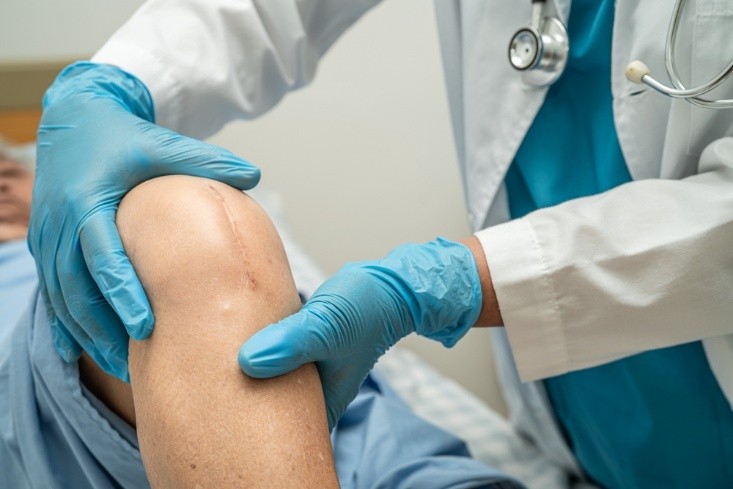
Regenerative medicine is changing how we treat pain. For patients who have been told surgery is their only option, PRP for tendinopathy in Nashville and PRP for knee osteoarthritis in Nashville are offering a proven, minimally invasive path to recovery.
At Riverside Spine & Physical Medicine, regenerative care is not a trend — it is a thoughtfully integrated part of a patient-centered recovery plan designed by specialists who understand the mechanics of pain and movement.
The Rising Role of PRP in Pain Care
Regenerative medicine has gained momentum in recent years because patients want options that restore mobility without the long recovery times of surgery. PRP, or Platelet-Rich Plasma therapy, is one of the most studied and widely used approaches. Riverside Spine & Physical Medicine has made PRP part of its comprehensive solution for musculoskeletal pain, helping patients return to work, training, and daily life faster.
Understanding the PRP Process
PRP stands for Platelet-Rich Plasma. It uses a patient’s own blood to jumpstart the body’s natural healing process. Here’s how it works in four precise steps:
Blood Draw – A small sample of blood is collected, much like a standard lab test.
Centrifugation – The blood is placed in a centrifuge that spins at high speed, separating red cells, white cells, and plasma.
Platelet Concentration – The platelet-rich plasma is carefully extracted. This plasma contains growth factors that signal tissue repair.
Targeted Injection – Using image guidance for accuracy, the PRP is injected into the injured or inflamed area. This precision ensures that the healing cells are delivered exactly where they are needed.
Because PRP uses the patient’s own blood, the risk of rejection is extremely low. The procedure is minimally invasive, performed in-office, and allows most patients to resume normal activities quickly.
PRP for Chronic Tendinopathy
Tendinopathy — whether in the elbow, Achilles tendon, or rotator cuff — can be stubborn and slow to heal. PRP has been shown to stimulate collagen production, support tendon remodeling, and reduce pain over time. For patients who have exhausted rest, therapy, and medication, PRP for tendinopathy in Nashville is often the turning point in their recovery.
PRP for Knee Osteoarthritis
Knee osteoarthritis is one of the most common causes of disability among adults. PRP offers a way to reduce inflammation and slow disease progression by nourishing the joint environment. Patients often report improved mobility and reduced stiffness within weeks of treatment. Riverside’s approach combines PRP injections with targeted rehabilitation, ensuring the joint is strengthened as it heals.
Riverside’s Proven 4-Phase Recovery Program
Every PRP patient at Riverside benefits from a structured, evidence-based 4-Phase Recovery Program:
- Comprehensive Assessment – Advanced diagnostics pinpoint the root cause of pain.
- Precision Treatment – PRP therapy is delivered using image-guided accuracy.
- Rehabilitation and Strengthening – Physical therapy supports healing and prevents recurrence.
- Ongoing Monitoring – Regular follow-ups ensure long-term results and mobility gains.
This integrated approach sets Riverside apart from clinics offering one-off injections without a recovery plan.
What Sets Our Team Apart
Riverside Spine & Physical Medicine has been Voted Best of Clarksville 2024 in multiple categories — Chiropractor, Physical Therapy, Weight Loss Center, and Massage — for three consecutive years. This recognition reflects the trust patients place in their team of board-certified providers, therapists, and regenerative medicine specialists. Every patient’s care plan is individualized, backed by research, and designed to get results that last.
Rewind and Reflect
PRP therapy represents more than a medical procedure — it is a way to reclaim movement, reduce dependence on medication, and regain quality of life. Riverside Spine & Physical Medicine has positioned itself as a leader in regenerative care, offering patients hope when they need it most. For those seeking PRP for knee osteoarthritis in Nashville or advanced care for tendinopathy, the next step is a consultation that begins with listening and ends with a clear, actionable plan for recovery.
FAQs
1. How soon can I expect results from PRP?
Most patients report improvement within four to six weeks, with continued gains as the tissue heals.
2. Is PRP painful?
Discomfort is usually minimal and limited to the injection site. The team uses image guidance to keep the procedure quick and precise.
3. Can PRP help avoid surgery?
Yes, in many cases PRP is used to delay or even prevent the need for joint replacement or tendon surgery.
4. How many PRP sessions are needed?
Most patients need just one to two sessions, depending on the severity of the condition. Your provider will guide you through a personalized plan.
5. Is PRP safe for everyone?
Because PRP uses your own blood, it is considered safe for most patients. A specialist consultation will determine if you are a good candidate.